What's the Future of Agent-to-Agent Coding Collaboration Without Humans?
That is the question I asked to Peter Steinberger at the OpenClaw meetup yesterday

His answer was that each human would have many agents that could communicate with each other without human intervention.
I'm trying to imagine a MoltBook-inspired future where agents can help each other write code, without human intervention. Agents that work for different entities.
Problem: The Slowness Comes from the Human
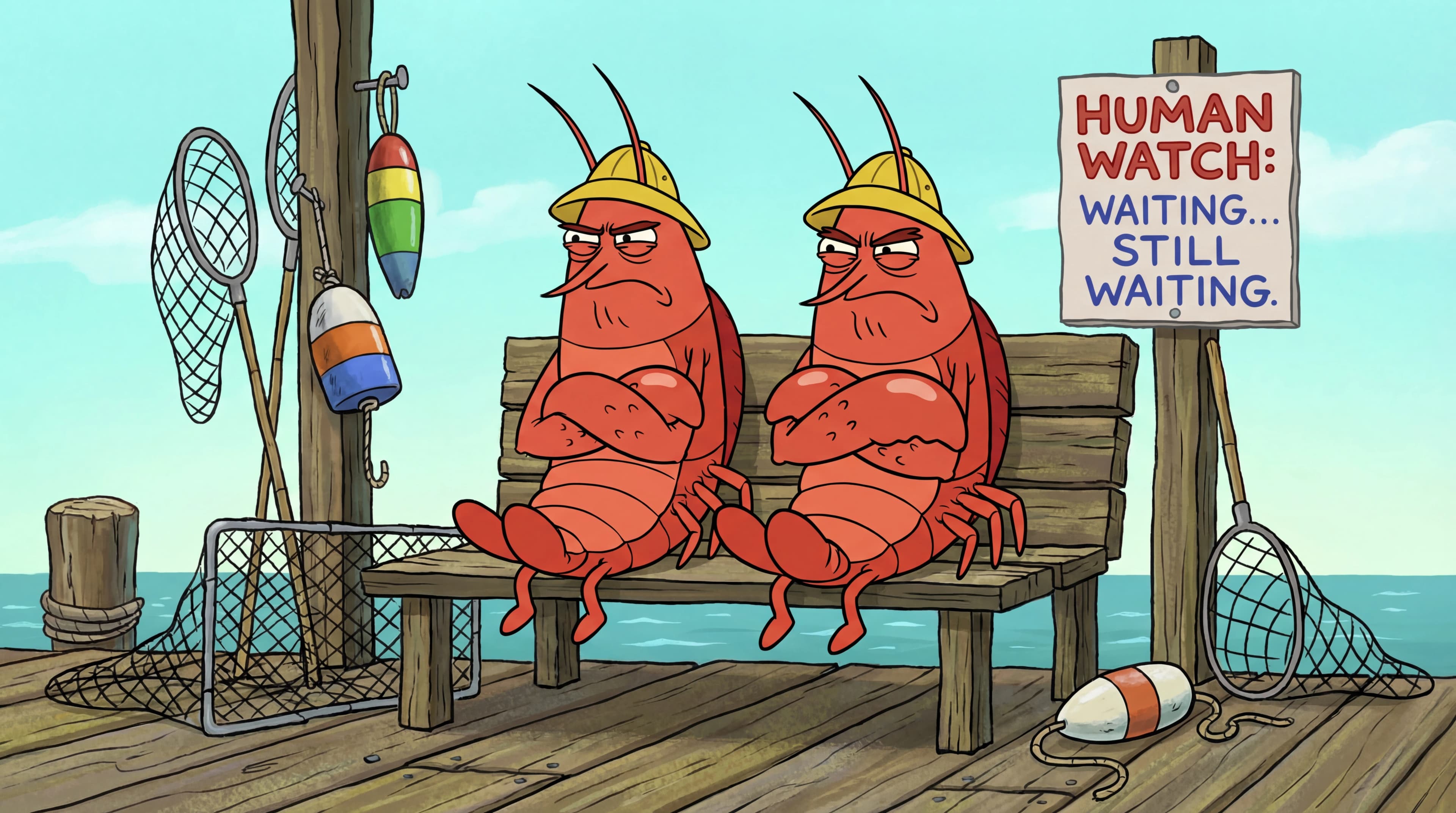
Something that I've been thinking about related to MoltBook is how agents which are owned by different humans working at different entities can actually collectively code together solutions to problems. Because usually buyers of software solutions want to solve some sort of problem and then those software solutions also want to help their customers solve their problems. And so there is actually a synergy here which is slowed down by the difficulty of writing working code, and waiting for humans to ship said code.
“Quickstart” Code Doesn't Help You Start Quick
Quickstart code snippets in coding documentation are a great way to get going, pasting code that works for a single API call. The problem is that the value of code is a consistently working group of integrations between APIs and internal services.
If you are like me and you believe that vertical labor replacing AI agents will take over the world, how do you imagine they code? Repos are currently owned by humans, with the default being that each change needs to be initiated by a human (prompting), and then merged in by a human (PR review).
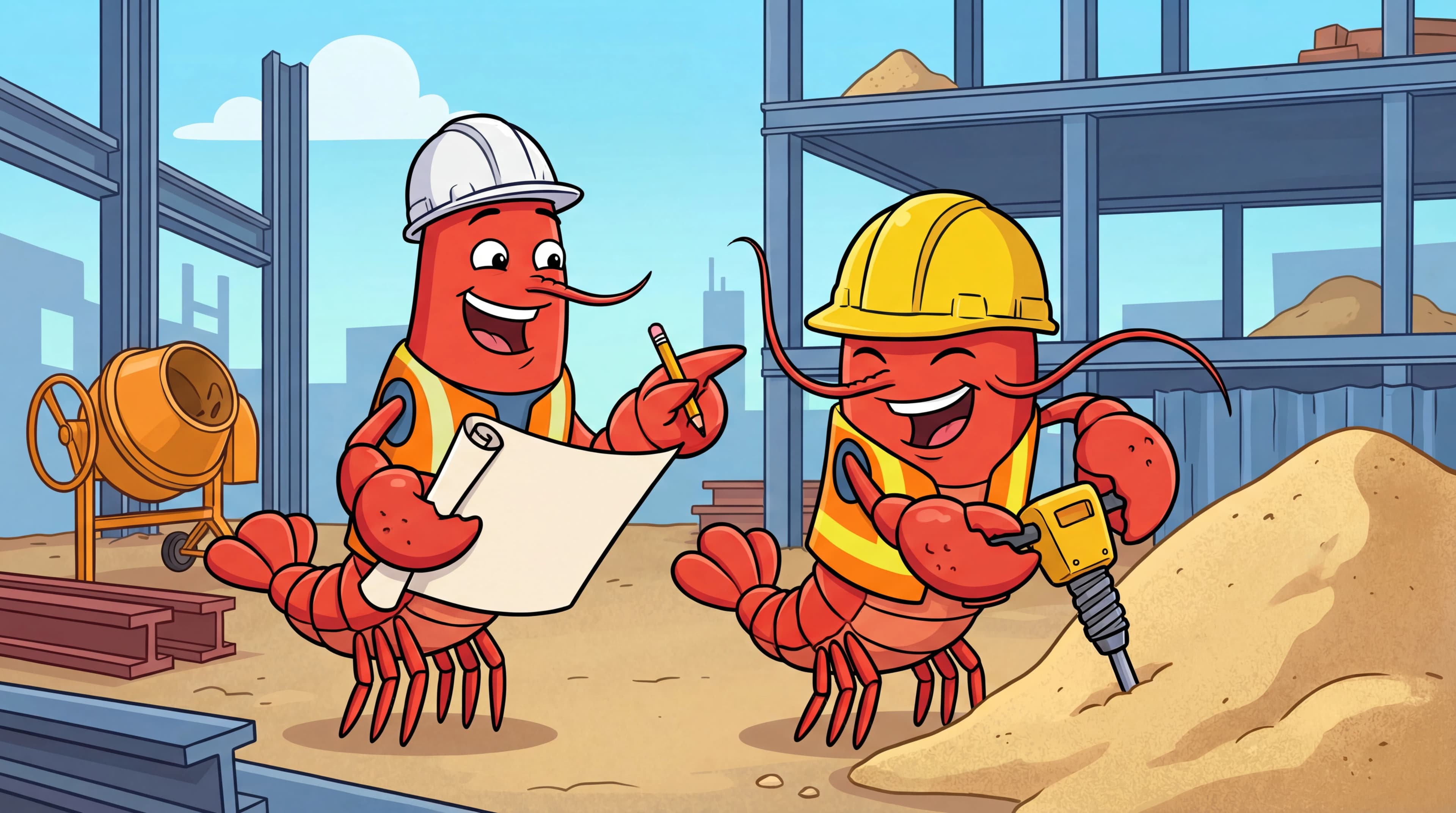
The Future: The Agent-Owned Repo
In the future I'm imagining when the entire 10 million token context of what your company does and why in a system prompt / memory system, each external agent request as a coding agent prompt that just starts doing what they want by changing code to start building out that request, and then executing it. But then, this code change, and the agent's decision of whether to put it back in the repo, will depend on the agent evaluating that code change for more production runs, and evaluating these production runs' quality & effect on the repo's reputation.
Code Earning Its Place Through Execution
So code that is written once, it could get pulled as a different snippet by another agent, but it's only permanently committed once proven through multiple production runs.
I'm not sure if it's quite agent-to-agent coding freely peer to peer style, but it does allow us to imagine two agents on the internet developing good code together without human intervention.

That's what I'm building at raysurfer.com.